
The Significance of Appendix Ultrasound in Early Diagnosis
- kerryrob
- Jan 13
- 3 min read

Appendicitis is a common medical emergency that requires prompt diagnosis and treatment. Delays in identifying this condition can lead to serious complications, including rupture and infection. One of the most effective tools for early detection is the appendix ultrasound. This non-invasive imaging technique plays a crucial role in diagnosing appendicitis quickly and accurately, helping patients receive timely care.
What Is an Appendix Ultrasound?
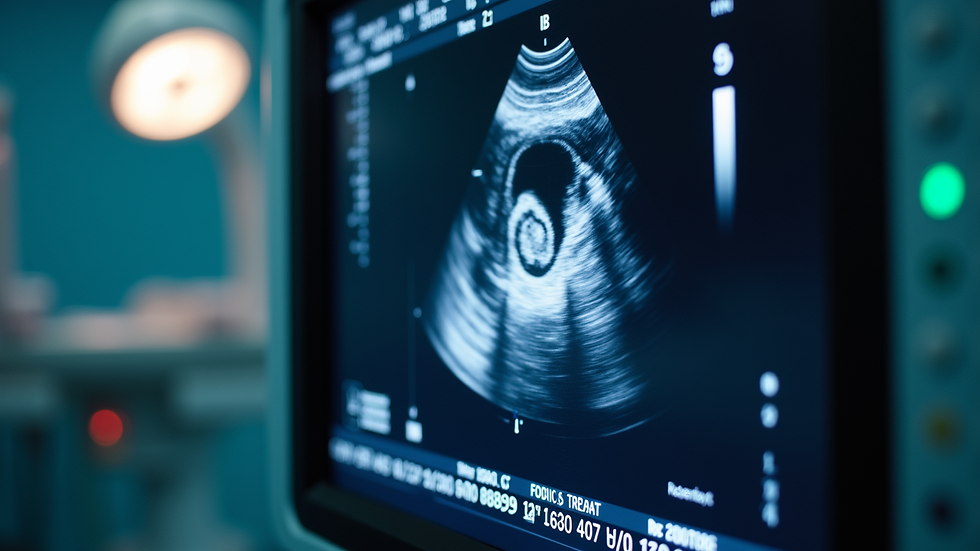
An appendix ultrasound is a diagnostic imaging test that uses sound waves to create pictures of the appendix and surrounding tissues. Unlike X-rays or CT scans, ultrasound does not expose patients to radiation, making it a safer option, especially for children and pregnant women. The procedure involves placing a small device called a transducer on the abdomen, which sends and receives sound waves to produce real-time images.
Why Early Diagnosis of Appendicitis Matters
Appendicitis occurs when the appendix becomes inflamed, often due to blockage or infection. If left untreated, the appendix can burst, leading to peritonitis, a life-threatening infection of the abdominal cavity. Early diagnosis is essential to prevent these complications.
Reduces risk of rupture
Minimizes hospital stay and recovery time
Lowers the chance of needing emergency surgery
Improves overall patient outcomes
Because symptoms of appendicitis can mimic other conditions such as stomach flu or urinary tract infections, accurate and early diagnosis is critical.
How Appendix Ultrasound Helps in Early Diagnosis
Appendix ultrasound offers several advantages that make it a valuable tool for early diagnosis:
Non-invasive and painless: No needles or incisions are involved.
No radiation exposure: Safe for all age groups, including children and pregnant women.
Quick results: Ultrasound scans can be performed rapidly, often within minutes.
High accuracy in experienced hands: Skilled technicians can identify signs of inflammation, swelling, or fluid around the appendix.
Differentiates appendicitis from other causes of abdominal pain: Helps avoid unnecessary surgeries.
For example, a child presenting with right lower abdominal pain can undergo an appendix ultrasound to confirm or rule out appendicitis without the risks associated with CT scans.
What to Expect During an Appendix Ultrasound
The procedure is straightforward and usually takes 15 to 30 minutes. Patients lie on their back while the technician applies a gel to the abdomen to improve sound wave transmission. The transducer is moved over the lower right side of the abdomen to capture images of the appendix.
Patients may be asked to hold their breath or change positions to get clearer views. The test is generally comfortable and does not require special preparation.
Limitations of Appendix Ultrasound
While ultrasound is highly useful, it has some limitations:
Body habitus: In obese patients, images may be less clear.
Appendix location: If the appendix is positioned behind the bowel or other organs, it may be difficult to visualize.
Operator dependency: Accuracy depends on the skill and experience of the technician and radiologist.
May require follow-up imaging: If ultrasound results are inconclusive, a CT scan or MRI might be necessary.
Despite these limitations, appendix ultrasound remains a first-line imaging choice in many hospitals due to its safety and accessibility.
Real-Life Example: Early Detection Saves Lives
A 12-year-old boy arrived at the emergency room with abdominal pain and mild fever. The doctor ordered an appendix ultrasound, which revealed an inflamed appendix before rupture. The boy underwent surgery promptly and recovered quickly without complications. This case highlights how ultrasound can lead to early diagnosis and prevent serious outcomes.
When to Ask for an Appendix Ultrasound
If you or someone you care for experiences symptoms such as:
Sudden pain in the lower right abdomen
Nausea or vomiting
Loss of appetite
Mild fever
Abdominal swelling or tenderness
It is important to seek medical attention immediately. Physicians often recommend an appendix ultrasound as part of the evaluation to confirm or exclude appendicitis.


Comments