
Understanding the Purpose and Benefits of Liver Doppler Ultrasound
- kerryrob
- Feb 18
- 4 min read
Liver health plays a crucial role in overall well-being, yet many people overlook the importance of monitoring this vital organ. When liver problems arise, doctors often recommend a Liver Doppler Ultrasound to get a clear picture of blood flow and liver function. This non-invasive imaging test offers valuable insights that help diagnose and manage liver conditions effectively. This article explains why a Liver Doppler Ultrasound is performed, what it reveals, and how it benefits patients.

What is Liver Doppler Ultrasound?
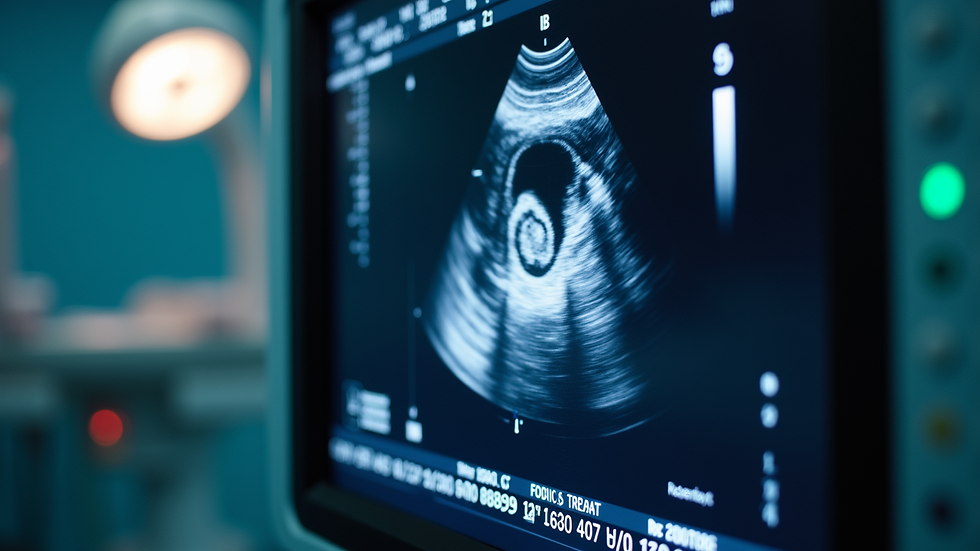
A Liver Doppler Ultrasound is a specialized ultrasound technique that uses sound waves to visualize the liver and its blood vessels. Unlike a standard ultrasound that shows the liver’s structure, the Doppler method measures the speed and direction of blood flow within the liver’s arteries and veins. This helps doctors detect abnormalities in circulation that may indicate liver disease or complications.
The test is painless, safe, and usually takes about 30 minutes. A technician applies a gel to the skin over the liver area and moves a handheld probe to capture images and blood flow data. The results provide detailed information about liver health without the need for surgery or radiation.
Why Doctors Recommend Liver Doppler Ultrasound
Doctors order Liver Doppler Ultrasound for several reasons related to liver function and blood flow:
Assessing Liver Circulation: The liver receives blood from two main vessels: the portal vein and the hepatic artery. Doppler ultrasound checks if blood flows normally through these vessels, which is essential for liver function.
Detecting Portal Hypertension: This condition occurs when blood pressure rises in the portal vein, often due to liver scarring (cirrhosis). Doppler ultrasound helps identify increased pressure and blood flow changes that signal portal hypertension.
Evaluating Liver Tumors or Masses: Blood flow patterns around liver tumors can indicate whether they are benign or malignant. Doppler ultrasound assists in characterizing these masses.
Monitoring Liver Transplants: After a liver transplant, Doppler ultrasound tracks blood flow to ensure the new liver is receiving enough blood and functioning well.
Diagnosing Blood Clots: The test can detect clots in liver vessels, which may cause pain, swelling, or liver damage.
How Liver Doppler Ultrasound Helps Patients
The information gained from a Liver Doppler Ultrasound guides treatment decisions and improves patient outcomes. Here are some practical benefits:
Early Detection of Liver Disease: Changes in blood flow often occur before symptoms appear. Detecting these early allows for timely intervention.
Non-Invasive Monitoring: Patients with chronic liver conditions can undergo repeated Doppler ultrasounds to track disease progression without invasive procedures.
Guiding Treatment Plans: Knowing the exact blood flow status helps doctors choose appropriate therapies, such as medication, surgery, or lifestyle changes.
Reducing Need for Biopsies: In some cases, Doppler ultrasound provides enough information to avoid liver biopsies, which carry risks.
Improving Transplant Success: Regular Doppler checks after transplantation catch complications early, increasing the chances of a successful recovery.
What to Expect During the Procedure
Preparing for a Liver Doppler Ultrasound is simple. Patients may be asked to fast for a few hours to reduce gas in the intestines, which can interfere with imaging. The procedure itself is comfortable and does not require anesthesia.
During the test:
The patient lies on an exam table.
A clear gel is applied to the abdomen.
The technician moves the probe over the liver area.
Images and blood flow measurements appear on the screen.
The entire process usually takes 20 to 30 minutes.
After the test, patients can resume normal activities immediately. The doctor reviews the images and discusses the findings during a follow-up visit.
Common Conditions Diagnosed with Liver Doppler Ultrasound
This test plays a key role in diagnosing several liver-related conditions:
Cirrhosis: Scarring of liver tissue affects blood flow, which Doppler ultrasound can detect early.
Portal Vein Thrombosis: Blood clots in the portal vein disrupt circulation and can cause serious complications.
Hepatic Artery Stenosis: Narrowing of the hepatic artery reduces blood supply to the liver, often seen after transplantation.
Liver Tumors: Doppler ultrasound helps differentiate between benign and malignant liver masses based on blood flow patterns.
Fatty Liver Disease: Changes in liver blood flow may accompany fatty infiltration, aiding diagnosis.
Limitations and Considerations
While Liver Doppler Ultrasound is valuable, it has some limitations:
Operator Dependent: The quality of images depends on the technician’s skill.
Body Habitus: Excessive abdominal fat or gas can reduce image clarity.
Complementary Test: It often works best alongside other imaging methods like CT or MRI.
Patients should discuss with their healthcare provider whether this test suits their specific condition.
Final Thoughts on Liver Doppler Ultrasound
Liver Doppler Ultrasound offers a clear window into liver blood flow and health. It supports early diagnosis, guides treatment, and helps monitor chronic liver diseases safely and effectively. For anyone facing liver concerns, this test provides valuable information without discomfort or risk.
If your doctor recommends a Liver Doppler Ultrasound, consider it a useful step toward understanding your liver’s condition and protecting your health. Regular monitoring and timely care can make a significant difference in managing liver diseases.


Comments