
Exploring the Benefits of Liver Imaging Diagnostics

When it comes to maintaining your health, understanding the condition of your liver is crucial. The liver plays a vital role in filtering toxins, aiding digestion, and storing energy. Detecting liver issues early can make a significant difference in treatment outcomes. That’s why liver imaging diagnostics have become an essential tool in modern healthcare. These diagnostic techniques provide clear insights into liver health, helping you and your healthcare provider make informed decisions.
In this post, I’ll walk you through the benefits of liver imaging diagnostics, explain what happens during a liver scan, and share practical advice on how these tools can support your health journey. Let’s dive in.
Understanding Liver Imaging Diagnostics
Liver imaging diagnostics refer to a range of non-invasive tests that create detailed images of your liver. These tests help detect abnormalities such as tumors, cysts, fatty liver disease, cirrhosis, and other liver conditions. The most common imaging methods include ultrasound, CT scans, and MRI.
Ultrasound is often the first step because it is safe, painless, and widely available. It uses sound waves to produce images of the liver and surrounding organs. CT scans and MRIs provide more detailed images and are used when further investigation is needed.
These imaging techniques are invaluable because they allow doctors to see inside your body without surgery. They help identify problems early, monitor disease progression, and guide treatment plans.
Why Liver Imaging Diagnostics Matter
Early Detection: Many liver diseases show no symptoms in the early stages. Imaging diagnostics can reveal issues before they become serious.
Non-Invasive: These tests do not require incisions or injections, making them safer and more comfortable.
Accurate Monitoring: For chronic liver conditions, regular imaging helps track changes and adjust treatments accordingly.
Guidance for Procedures: Imaging assists in planning biopsies or surgeries by pinpointing exact locations of concern.
By choosing liver imaging diagnostics, you’re taking a proactive step toward protecting your liver health.

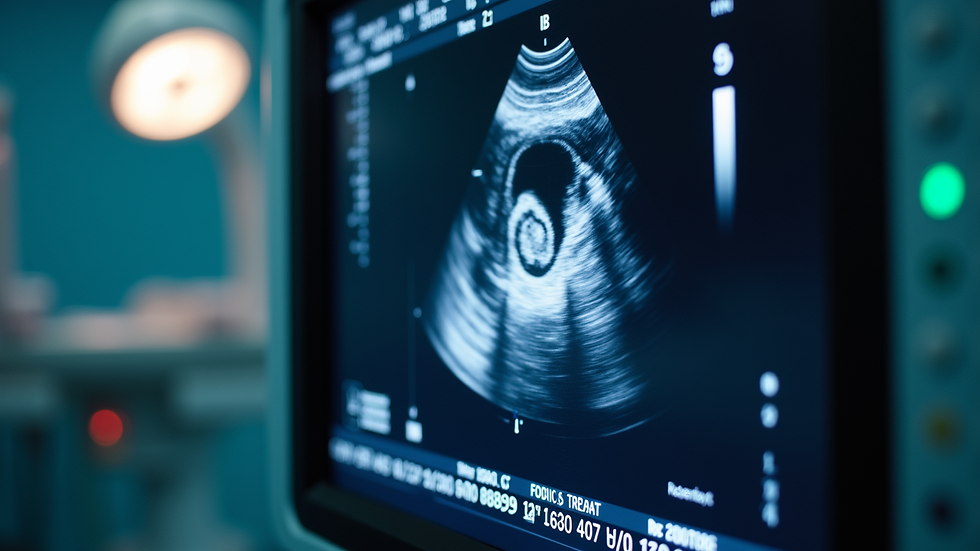
Ultrasound imaging is a common and effective method for liver diagnostics.
What is done during a liver scan?
A liver scan is a straightforward procedure designed to capture detailed images of your liver. When you arrive for the scan, a technician will guide you through the process, ensuring you feel comfortable and informed.
Here’s what typically happens:
Preparation: You may be asked to fast for a few hours before the scan to improve image quality.
Positioning: You will lie down on an examination table, usually on your back.
Application of Gel: A warm, water-based gel is applied to your abdomen to help the ultrasound probe make secure contact with your skin.
Imaging: The technician moves the probe over your abdomen, sending sound waves into your body. These waves bounce back to create images of your liver.
Duration: The entire process usually takes 20 to 30 minutes.
Post-Scan: After the scan, you can resume normal activities immediately.
The procedure is painless and safe, with no exposure to radiation. The images produced help your healthcare provider assess liver size, texture, and detect any abnormalities.
Key Benefits of a Liver Scan
Getting a liver scan offers several advantages that can make a real difference in your health management:
1. Early Identification of Liver Conditions
Many liver diseases develop silently. A liver scan can detect fatty liver disease, fibrosis, or tumors before symptoms appear. Early diagnosis means you can start treatment sooner, improving your chances of recovery.
2. Non-Invasive and Safe
Unlike biopsies or exploratory surgeries, a liver scan is non-invasive. It doesn’t involve needles or incisions, reducing the risk of complications. This makes it a preferred choice for regular monitoring.
3. Quick and Convenient
The scan is relatively quick, often completed within half an hour. It requires minimal preparation and no recovery time, allowing you to fit it easily into your schedule.
4. Helps Guide Treatment Decisions
If your doctor detects abnormalities, the scan images help determine the best course of action. Whether it’s medication, lifestyle changes, or further testing, the scan provides critical information.
5. Monitors Progress Over Time
For chronic liver conditions, regular scans track how the disease evolves. This ongoing monitoring helps adjust treatments to be more effective and timely.
6. Accessible and Affordable
Thanks to advances in technology and providers like VirtuScan Imaging, liver scans are becoming more accessible and affordable. This means more people can benefit from vital liver health assessments without worrying about insurance status.
How to Prepare for Your Liver Imaging Appointment
To get the most accurate results from your liver imaging diagnostics, a little preparation goes a long way. Here are some tips to help you get ready:
Follow Fasting Instructions: If your provider asks you to fast, avoid eating or drinking for the specified time before the scan.
Wear Comfortable Clothing: Loose-fitting clothes make it easier to access your abdomen.
Bring Medical Records: If you have previous imaging or lab results, bring them along to provide context.
List Medications: Inform the technician or doctor about any medications or supplements you are taking.
Ask Questions: Don’t hesitate to ask about the procedure, what to expect, and how results will be shared.
Being prepared helps the process go smoothly and ensures you get the best possible care.

Technicians ensure proper setup for accurate liver imaging diagnostics.
Taking Charge of Your Liver Health
Your liver works hard every day to keep your body functioning well. By embracing liver imaging diagnostics, you’re giving yourself a powerful tool to stay ahead of potential health issues. Whether you’re managing a known condition or simply want peace of mind, these scans provide clarity and confidence.
If you’re considering a liver scan, look for providers who prioritize accessibility and personalized care. Facilities that offer affordable options and understand your unique needs can make a big difference in your experience.
Remember, early detection and regular monitoring are key to maintaining liver health. Don’t wait for symptoms to appear - take proactive steps today.
By understanding the benefits and process of liver imaging diagnostics, you’re better equipped to make informed decisions about your health. With the right support and resources, you can navigate your liver health journey with confidence and care.


Comments