
Exploring the Benefits of Liver Imaging Diagnostics

When it comes to maintaining your health, understanding the condition of your liver is crucial. The liver plays a vital role in filtering toxins, aiding digestion, and storing energy. Detecting liver issues early can make a significant difference in treatment outcomes. That’s where liver imaging diagnostics come into play. These advanced techniques provide clear insights into liver health, helping you and your healthcare providers make informed decisions.
In this post, I’ll walk you through the benefits of liver imaging diagnostics, what happens during a liver scan, and why these services are becoming more accessible and affordable. Whether you’re managing a chronic condition or just want to stay proactive about your health, this information can guide you toward better care.
Understanding Liver Imaging Diagnostics
Liver imaging diagnostics refer to a range of non-invasive tests that create detailed images of your liver. These tests help detect abnormalities such as tumors, cysts, fatty liver disease, or cirrhosis. Common imaging methods include ultrasound, CT scans, and MRI. Each has its strengths, but ultrasound is often the first choice due to its safety, accessibility, and cost-effectiveness.
These diagnostics are essential because liver diseases often develop silently. You might not notice symptoms until the condition has progressed. Imaging allows for early detection, which can lead to timely treatment and better health outcomes.
For example, if you have risk factors like obesity, diabetes, or a history of alcohol use, liver imaging diagnostics can help monitor your liver’s condition regularly. This proactive approach can prevent complications and improve your quality of life.
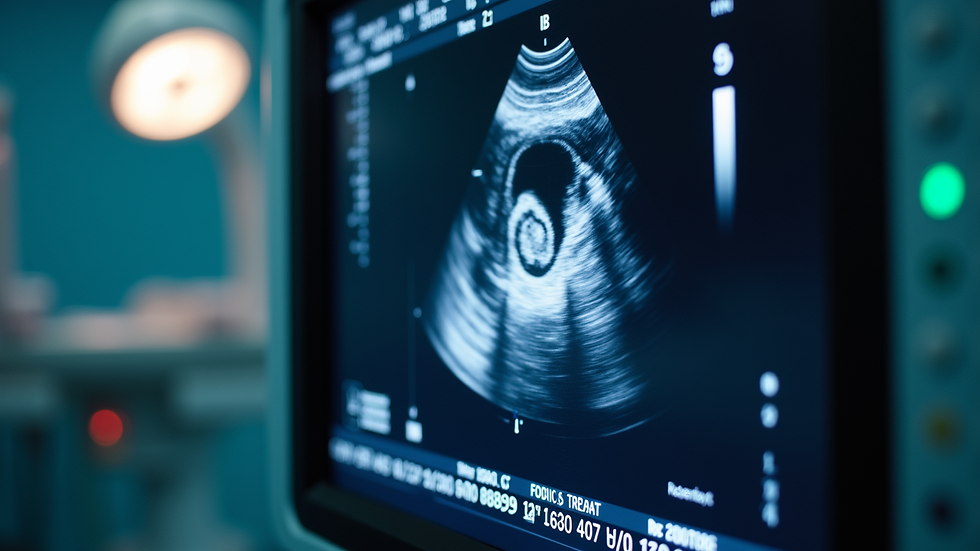
Ultrasound imaging is a common and effective method for liver diagnostics.
Why Liver Imaging Diagnostics Matter
The liver is a complex organ, and its health impacts many bodily functions. Liver imaging diagnostics provide several key benefits:
Early Detection: Identifying liver problems before symptoms appear allows for earlier intervention.
Non-Invasive and Safe: Most imaging techniques do not require surgery or exposure to harmful radiation.
Accurate Diagnosis: Detailed images help doctors distinguish between different types of liver conditions.
Monitoring Progress: Imaging can track how well treatments are working or how a condition is evolving.
Guiding Procedures: Imaging assists in planning biopsies or surgeries by pinpointing exact locations of concern.
By choosing liver imaging diagnostics, you’re taking a proactive step toward protecting your liver health. This is especially important if you have underlying health issues or a family history of liver disease.
What is done during a liver scan?
During a liver scan, you’ll typically lie down on an examination table while a technician uses a device to capture images of your liver. The process is straightforward and usually painless. For an ultrasound, a gel is applied to your abdomen to help transmit sound waves. The technician moves a small probe over your skin, and the reflected sound waves create images on a monitor.
If you undergo a CT or MRI scan, you may be asked to lie still inside a large machine. These scans provide more detailed images but might require contrast dye to highlight liver structures. The entire procedure usually takes between 15 to 45 minutes, depending on the type of scan.
It’s helpful to wear comfortable clothing and follow any preparation instructions, such as fasting, to ensure the best results. After the scan, you can typically resume your normal activities immediately.
Patient positioned for a liver scan in a diagnostic imaging center.
How Accessible and Affordable Liver Imaging Diagnostics Are Today
One of the most encouraging developments in healthcare is the increasing accessibility of liver imaging diagnostics. Facilities like VirtuScan Imaging are committed to making these vital services available to everyone in the DFW Metroplex, regardless of insurance status.
This means you don’t have to delay or skip important liver health checks due to cost concerns. Affordable pricing and flexible payment options make it easier to prioritize your health. Additionally, many imaging centers offer convenient scheduling and personalized care, so you feel supported throughout the process.
If you’re part of a medical clinic, assisted living facility, or home care agency, partnering with accessible imaging providers can enhance the quality of care you offer. It ensures that liver health monitoring is integrated smoothly into your routine services.
Taking Charge of Your Liver Health
Understanding the benefits of liver imaging diagnostics empowers you to take charge of your health. If you experience symptoms like unexplained fatigue, abdominal pain, or jaundice, or if you have risk factors for liver disease, consider discussing imaging options with your healthcare provider.
Remember, a liver scan is a valuable tool that can reveal important information about your liver’s condition without discomfort or risk. Early detection and regular monitoring can make a significant difference in managing liver health.
By choosing accessible and affordable imaging services, you’re investing in your well-being with confidence and peace of mind. Don’t hesitate to reach out to local providers who prioritize personal care and quality diagnostics.
Taking care of your liver is a vital part of maintaining overall health. With advances in liver imaging diagnostics, you have more options than ever to stay informed and proactive. Whether you’re managing a chronic condition or simply want to ensure your liver is functioning well, these diagnostic tools offer clarity and reassurance. Embrace the opportunity to protect your health with accessible, affordable, and effective liver imaging services.


Comments