
Exploring the Benefits of Liver Imaging Diagnostics
- Chib Onwunaka

- Feb 23
- 5 min read
When it comes to maintaining your health, understanding the condition of your liver is crucial. The liver plays a vital role in filtering toxins, aiding digestion, and storing energy. Detecting liver issues early can make a significant difference in treatment outcomes. That’s why liver imaging diagnostics have become an essential tool in modern healthcare. These diagnostic techniques provide clear insights into liver health, helping you and your healthcare provider make informed decisions.
In this post, I’ll walk you through the benefits of liver imaging diagnostics, explain what happens during a liver scan, and share practical advice on how these services can support your health journey.
Understanding Liver Imaging Diagnostics
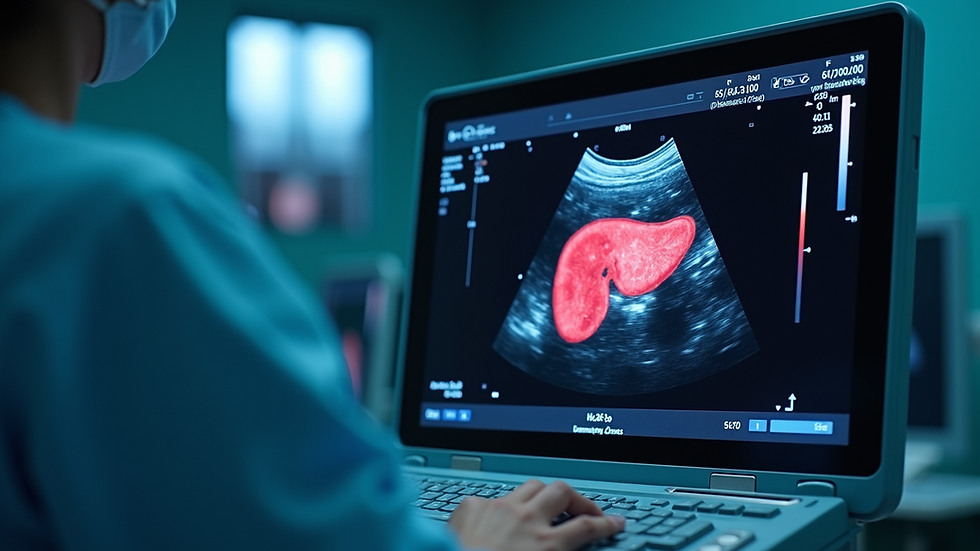
Liver imaging diagnostics refer to a range of non-invasive tests that create detailed images of your liver. These tests help detect abnormalities such as cysts, tumors, fatty liver disease, or cirrhosis. Common imaging methods include ultrasound, CT scans, and MRI. Each method offers unique advantages depending on the situation.
For example, ultrasound is often the first step because it is quick, painless, and widely available. It uses sound waves to produce images of the liver and can identify changes in liver size or texture. CT scans and MRIs provide more detailed images and are useful when doctors need to examine the liver’s structure closely or assess blood flow.
These diagnostics are especially valuable for people with risk factors like chronic alcohol use, obesity, or a family history of liver disease. They also play a key role in monitoring liver health in patients with known conditions.
Why choose liver imaging diagnostics?
Non-invasive and painless procedures
Quick results to guide treatment decisions
Early detection of liver problems before symptoms appear
Ability to monitor disease progression or response to treatment
By using these tools, you can take proactive steps to protect your liver health and avoid complications.
The Importance of Early Detection
One of the greatest benefits of liver imaging diagnostics is early detection. Liver diseases often develop silently, with symptoms appearing only after significant damage has occurred. By the time you notice fatigue, jaundice, or abdominal pain, the condition might be advanced.
Imaging diagnostics allow healthcare providers to spot issues early, sometimes even before you feel unwell. For instance, fatty liver disease can be identified through ultrasound before it progresses to inflammation or scarring. Early intervention can prevent further damage and improve your quality of life.
Moreover, if you have a history of liver problems or belong to a high-risk group, regular imaging can help track changes over time. This ongoing monitoring ensures that any new developments are caught promptly.
Practical tips for early detection:
Schedule regular liver imaging if you have risk factors
Discuss any unusual symptoms with your healthcare provider promptly
Maintain a healthy lifestyle to reduce liver strain
Follow your doctor’s recommendations for follow-up imaging
Taking these steps can empower you to stay ahead of potential liver issues.
What is done during a liver scan?
During a liver scan, the process is straightforward and designed to be as comfortable as possible. Typically, you will lie down on an examination table while a technician applies a special gel to your abdomen. This gel helps transmit sound waves if an ultrasound is used.
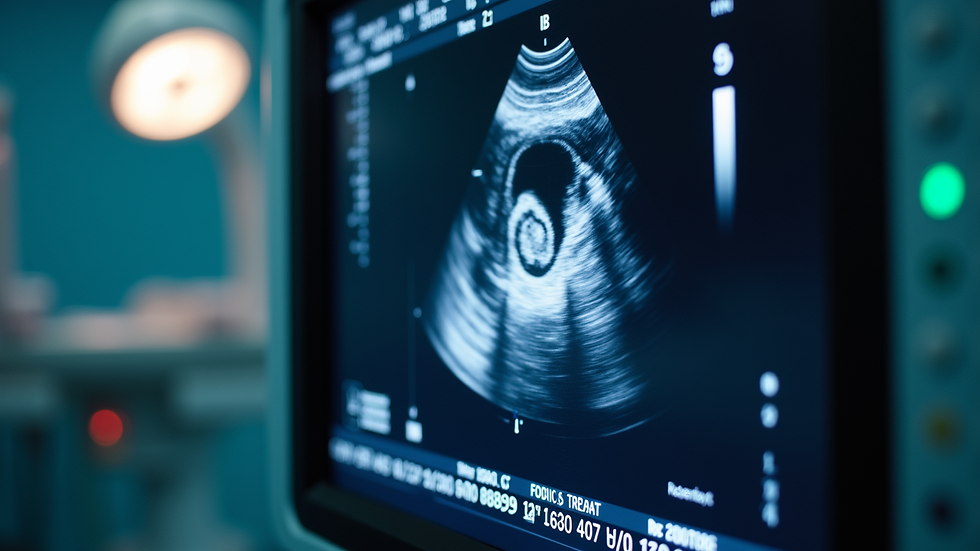
The technician then moves a handheld device called a transducer over your skin. This device sends sound waves into your body and captures the echoes that bounce back, creating images of your liver on a monitor. The procedure usually takes about 15 to 30 minutes and is painless.
If a CT or MRI scan is required, you may be asked to lie still inside a large machine. These scans provide more detailed images but may take longer. Sometimes, a contrast dye is injected to highlight certain areas of the liver.
Throughout the process, the technician will guide you and answer any questions. You can relax knowing that these scans are safe and non-invasive.
What to expect during your liver scan:
Comfortable positioning on the exam table
Application of gel for ultrasound or preparation for CT/MRI
Clear instructions from the technician
Minimal discomfort and no recovery time needed
After the scan, your images will be reviewed by a radiologist who will send a report to your healthcare provider. This report helps guide your next steps in care.

How Liver Imaging Diagnostics Support Treatment Plans
Once your liver images are reviewed, the information gathered can shape your treatment plan. For example, if the scan reveals fatty liver disease, your doctor might recommend lifestyle changes such as diet and exercise. If a tumor or cyst is detected, further tests or procedures may be necessary.
Imaging diagnostics also help monitor how well treatments are working. If you are undergoing medication or other therapies for liver disease, follow-up scans can show whether the condition is improving or if adjustments are needed.
This ongoing feedback loop between imaging and treatment ensures that your care is personalized and responsive. It also provides peace of mind, knowing that your liver health is being closely watched.
Ways imaging diagnostics enhance treatment:
Confirming diagnosis with visual evidence
Guiding decisions on medication or surgery
Tracking disease progression or remission
Reducing the need for invasive procedures
By relying on these tools, you and your healthcare team can work together to achieve the best possible outcomes.
Making Liver Imaging Diagnostics Accessible and Affordable
Access to quality liver imaging diagnostics should not be a barrier to good health. That’s why providers like VirtuScan Imaging are committed to offering affordable and accessible sonography services across the DFW Metroplex. Their goal is to ensure everyone, regardless of insurance status, can receive vital diagnostic imaging with a personal touch.
If you need a liver scan or other imaging services, look for providers who prioritize patient comfort, clear communication, and reasonable pricing. Many centers offer flexible scheduling and work closely with referring doctors to streamline your care.
Tips for finding the right imaging provider:
Check for accreditation and experienced technicians
Ask about pricing and insurance options upfront
Look for convenient locations near you
Read patient reviews to gauge service quality
Taking the time to choose the right provider can make your diagnostic experience smoother and less stressful.
Taking Charge of Your Liver Health
Your liver is a powerhouse organ that deserves attention and care. By embracing liver imaging diagnostics, you gain a powerful ally in maintaining your health. These tools offer clarity, early detection, and guidance that can transform your approach to wellness.
Remember, a liver scan is just one step in a comprehensive health plan. Pair it with healthy habits, regular check-ups, and open communication with your healthcare team. Together, these actions help you protect your liver and enjoy a vibrant life.
If you haven’t had a liver imaging test recently and have risk factors or concerns, consider scheduling one soon. It’s a simple, effective way to take control of your health and move forward with confidence.


Comments