
Understanding Diagnostic Thyroid Imaging: A Guide to Accurate Diagnosis

When it comes to understanding your thyroid health, accurate diagnostic tools are essential. The thyroid gland plays a crucial role in regulating metabolism, energy, and overall well-being. If you or someone you care for needs a closer look at this small but mighty gland, diagnostic thyroid imaging is the key. In this post, I’ll walk you through what you need to know about this process, focusing on how it helps provide clear answers and peace of mind.
What Is Diagnostic Thyroid Imaging and Why Is It Important?
Diagnostic thyroid imaging refers to a set of techniques used to visualize the thyroid gland and surrounding tissues. These imaging methods help doctors detect abnormalities such as nodules, cysts, inflammation, or tumors. Among these techniques, ultrasound stands out as a safe, non-invasive, and highly effective option.
Why is this important? Because the thyroid can sometimes develop issues that are not obvious through symptoms alone. Imaging allows for early detection and accurate diagnosis, which can lead to timely treatment and better outcomes. Whether you’re managing a known thyroid condition or undergoing a routine checkup, diagnostic imaging provides a window into your thyroid’s health.
How Diagnostic Imaging Works
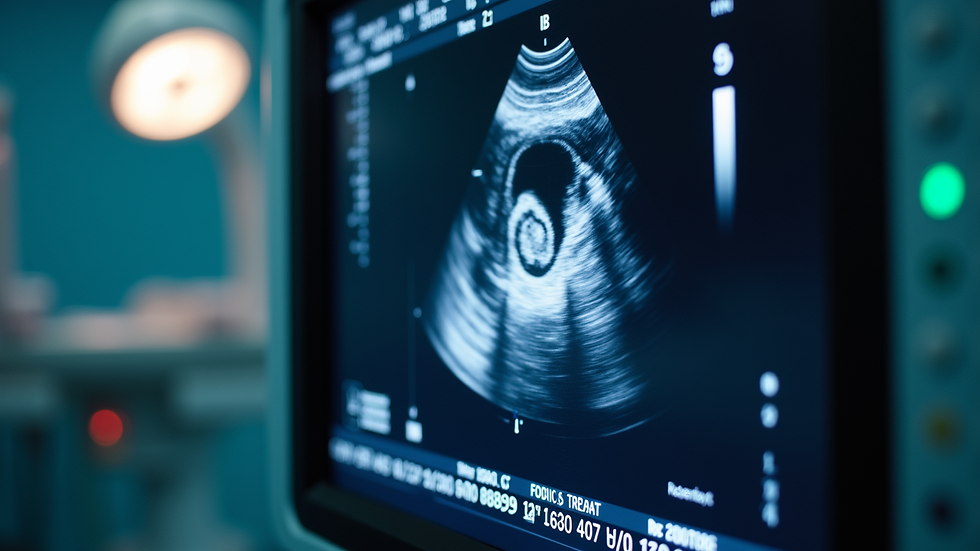
Diagnostic imaging uses sound waves, radio waves, or other forms of energy to create pictures of the thyroid. These images reveal the size, shape, and texture of the gland. For example, ultrasound uses high-frequency sound waves to produce real-time images. This method is painless and does not expose you to radiation, making it a preferred choice for many healthcare providers.
The images help identify:
Nodules or lumps
Cysts filled with fluid
Inflammation or swelling
Abnormal growths or tumors
By examining these details, your healthcare provider can decide if further tests or treatments are necessary.

How to Prepare for Diagnostic Thyroid Imaging
Preparation for thyroid imaging is usually straightforward. Since ultrasound is the most common method, here are some tips to help you get ready:
Wear comfortable clothing - You may need to expose your neck, so a shirt with a loose collar or a button-down top is ideal.
Avoid jewelry - Remove necklaces or any accessories around your neck to prevent interference with the imaging.
Bring your medical history - If you have previous thyroid tests or imaging results, bring them along. This helps the technician and doctor compare findings.
Follow specific instructions - Occasionally, your provider might ask you to avoid certain medications or fasting before the test, but this is rare for thyroid imaging.
The procedure itself is quick, usually taking about 15 to 30 minutes. You’ll lie down with your neck slightly extended, and the technician will gently move a small device called a transducer over your skin. You might feel slight pressure, but it should not be painful.
Can You See Cancer on a Thyroid Ultrasound?
One of the most common concerns when undergoing thyroid imaging is the possibility of cancer. While ultrasound is a powerful tool, it’s important to understand what it can and cannot do regarding cancer detection.
Ultrasound can reveal suspicious features in thyroid nodules that may suggest malignancy, such as:
Irregular or blurred edges
Microcalcifications (tiny calcium deposits)
Increased blood flow within the nodule
Nodules that are taller than wide in shape
However, ultrasound alone cannot definitively diagnose cancer. It helps your doctor decide if a biopsy is needed. A biopsy involves taking a small tissue sample from the nodule to examine under a microscope. This step is crucial for confirming whether a nodule is benign or malignant.
If your ultrasound shows any concerning signs, your healthcare provider will guide you through the next steps with care and clarity. Remember, many thyroid nodules are benign and do not require aggressive treatment.

What Happens After Your Thyroid Imaging?
Once your imaging is complete, the results will be reviewed by a radiologist or your healthcare provider. They will analyze the images and provide a detailed report. Here’s what you can expect next:
Clear explanation - Your doctor will explain the findings in simple terms, helping you understand what the images show.
Follow-up plan - Depending on the results, you might need additional tests, such as blood work or a biopsy.
Monitoring - If nodules or cysts are found but are not immediately concerning, your doctor may recommend regular follow-up imaging to monitor any changes.
Treatment options - In cases where abnormalities require intervention, your healthcare team will discuss treatment choices, which may include medication, surgery, or other therapies.
It’s natural to feel anxious while waiting for results, but keep in mind that diagnostic imaging is a step toward clarity and better health management. You’re not alone in this process, and your healthcare providers are there to support you every step of the way.
Why Choose Accessible and Affordable Imaging Services?
Access to quality diagnostic imaging should not be a barrier to your health. Affordable and accessible services ensure that everyone can get the vital information they need without unnecessary delays or financial stress.
If you’re seeking imaging services, look for providers who:
Accept a wide range of insurance plans and offer self-pay options
Provide a comfortable, patient-centered environment
Have experienced technicians and radiologists
Offer timely scheduling and quick turnaround on results
By choosing the right provider, you can feel confident that your thyroid health is in good hands. This approach helps you take control of your health journey with ease and reassurance.
If you want to learn more about how a thyroid ultrasound can help you or your loved ones, don’t hesitate to reach out to a trusted imaging center. Understanding your thyroid health is the first step toward a healthier, more vibrant life.


Comments