
Understanding the Importance of a Liver Ultrasound for Your Health
The liver plays a crucial role in maintaining overall health by processing nutrients, filtering toxins, and supporting digestion. Despite its importance, liver problems often develop silently without obvious symptoms. This is where a liver ultrasound becomes a valuable tool. It offers a safe, non-invasive way to check the liver’s condition and detect potential issues early. Understanding why having a liver ultrasound is important can help you take proactive steps toward protecting your health.

What Is a Liver Ultrasound?
A liver ultrasound is a diagnostic test that uses sound waves to create images of the liver. It helps doctors see the size, shape, and texture of the liver and nearby organs. Unlike X-rays or CT scans, ultrasound does not use radiation, making it a safer option for repeated use.
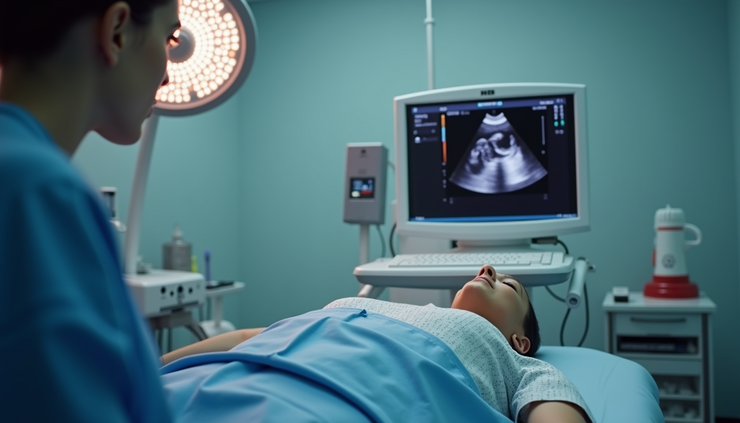
The procedure is quick and painless. A technician applies a gel to the abdomen and moves a small device called a transducer over the skin. The transducer sends sound waves that bounce off the liver and create images on a monitor.
Why You Might Need a Liver Ultrasound
Doctors recommend liver ultrasounds for several reasons, often related to symptoms or risk factors:
Unexplained abdominal pain or swelling
Elevated liver enzymes in blood tests
History of liver disease or hepatitis
Excessive alcohol use
Obesity or metabolic syndrome
Monitoring known liver conditions like fatty liver or cirrhosis
Even if you feel fine, a liver ultrasound can detect early changes that might not cause symptoms yet. This early detection can be critical for preventing serious complications.
What Can a Liver Ultrasound Detect?
A liver ultrasound can identify a wide range of liver problems, including:
Fatty liver disease: Excess fat buildup in liver cells, common in people with obesity or diabetes.
Liver cysts and tumors: Both benign and malignant growths can be seen.
Cirrhosis: Scarring of the liver tissue that affects liver function.
Liver inflammation: Signs of hepatitis or other inflammatory conditions.
Blockages or abnormalities in bile ducts: Which can affect digestion and liver health.
By detecting these issues early, treatment can begin sooner, improving outcomes.
Benefits of Having a Liver Ultrasound
Choosing to have a liver ultrasound offers several advantages:
Non-invasive and painless: No needles or incisions are involved.
No radiation exposure: Safe for repeated use, including during pregnancy.
Quick results: Images are available immediately for review.
Cost-effective: Generally less expensive than other imaging tests.
Guides treatment decisions: Helps doctors plan the best care based on clear images.
For example, if a patient has elevated liver enzymes, an ultrasound can help determine if fatty liver disease or another condition is the cause. This clarity helps avoid unnecessary treatments and focus on lifestyle changes or medications that work.
Preparing for a Liver Ultrasound
Preparation is usually simple but important for clear images:
Fasting: Avoid eating or drinking for 6-8 hours before the test to reduce gas in the intestines.
Wear comfortable clothing: Loose clothes make it easier to access the abdomen.
Inform your doctor about medications: Some may affect liver function or test results.
Following these steps ensures the ultrasound provides the best possible information.
What to Expect During and After the Test
During the ultrasound, you will lie on your back while the technician moves the transducer over your abdomen. You might feel slight pressure but no pain. The test usually takes 20 to 30 minutes.
After the test, you can resume normal activities immediately. The doctor will review the images and discuss the findings with you. If abnormalities are found, further tests or treatments may be recommended.
When to Talk to Your Doctor About a Liver Ultrasound
If you have risk factors like heavy alcohol use, obesity, or a family history of liver disease, ask your doctor if a liver ultrasound is right for you. Also, if you experience symptoms such as:
Persistent fatigue
Unexplained weight loss
Yellowing of the skin or eyes (jaundice)
Abdominal pain or swelling
These signs may indicate liver problems that need evaluation.
Taking Care of Your Liver Beyond the Ultrasound
A liver ultrasound is a snapshot of your liver’s health, but maintaining liver health requires ongoing care:
Eat a balanced diet rich in fruits, vegetables, and whole grains.
Limit alcohol consumption.
Maintain a healthy weight through regular exercise.
Avoid risky behaviors that increase hepatitis risk.
Follow your doctor’s advice if you have liver conditions.
Regular check-ups and liver ultrasounds when recommended can help you stay ahead of potential problems.
A liver ultrasound provides valuable insight into a vital organ that often shows no early warning signs of trouble. By understanding its importance, you can take control of your liver health and catch issues before they become serious. Talk to your healthcare provider about whether a liver ultrasound fits into your health plan and stay proactive in protecting your well-being.


Comments